
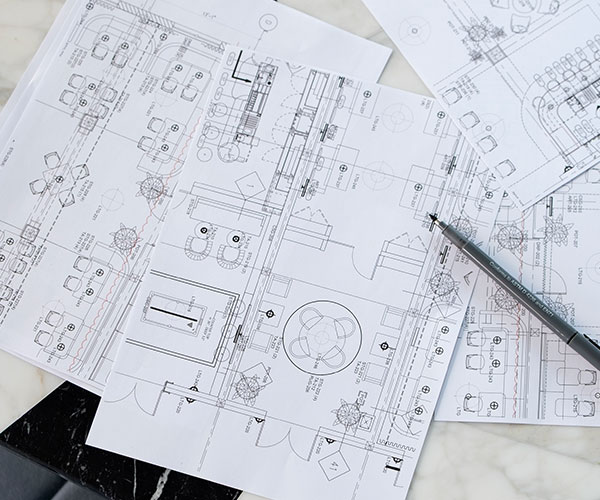
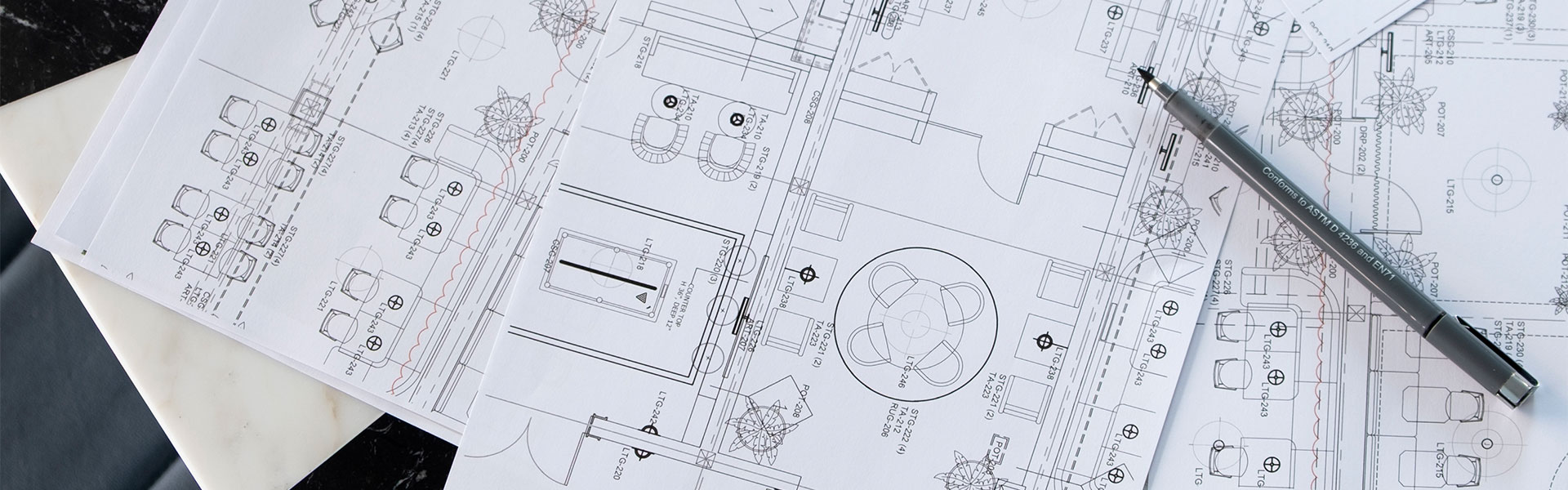
Guide To Elevate Dining Experience:
Selecting Chairs
Restaurant chairs should feel effortless to sit in, blend beautifully with your design and your concept,
and hold up to the heavy use that comes with contract environments day in and day out.
Key questions to ask yourself:
• Do I need booths or banquettes along one of the walls?
• Should I have armchairs, side chairs, or both?
• Do I need barstools?
Well-designed restaurant layouts provide ample space to ensure both comfortable seating and easy movement.
Important Decisions When Choosing Restaurant Chairs:
Banquettes vs. Loose Seating
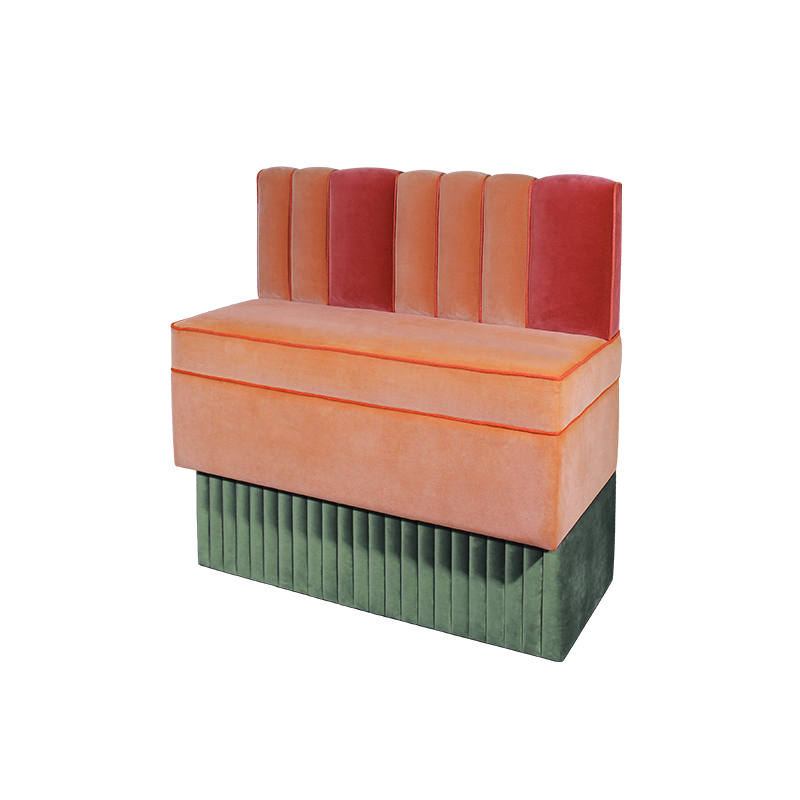
Banquettes (fixed bench seating) offer a built-in restaurant seating solution typically anchored against walls, maximising limited space and streamlining the flow within a restaurant, allowing for more covers.
• Great for wall-lined or narrow spaces.
• Encourages a cosy, communal dining experience.
• When specified in the shape of a booth, it can offer privacy in busy environments.
• Can build in design elements, power sockets, or planters to add more function and visual appeal.
• Banquettes require more complex installation.
Loose seating like restaurant chairs or stools, provides more flexibility to accommodate different party sizes and rearrange the space as needed. While it may take up more floor space, it allows designers to add more creative flair to the restaurant.
• Flexibility to rearrange layouts.
• Easier replacement and cleaning.
• You can mix different Styles in your space
Side Chairs vs. Armchairs
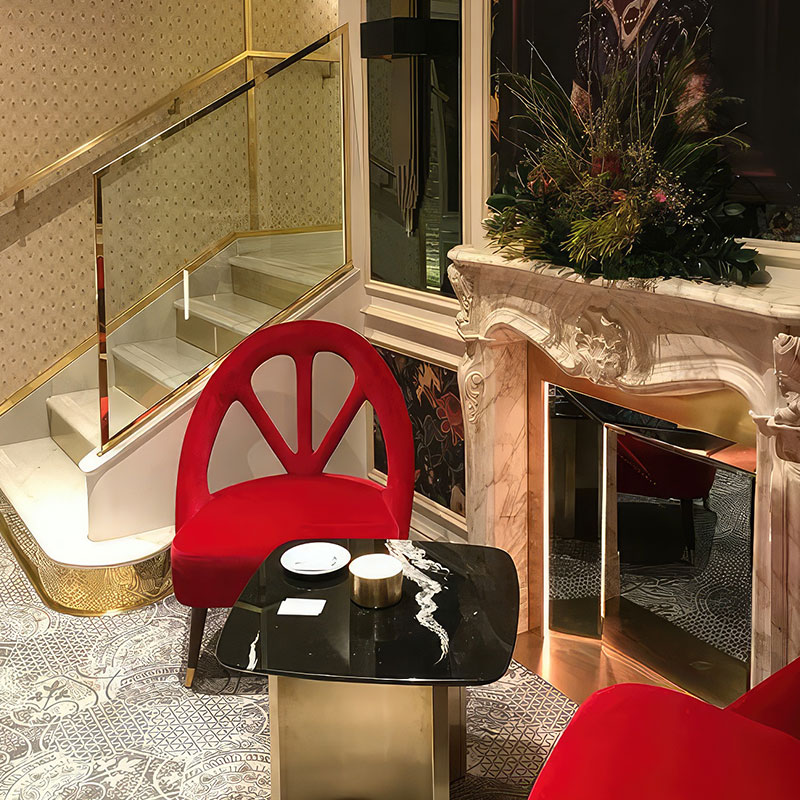
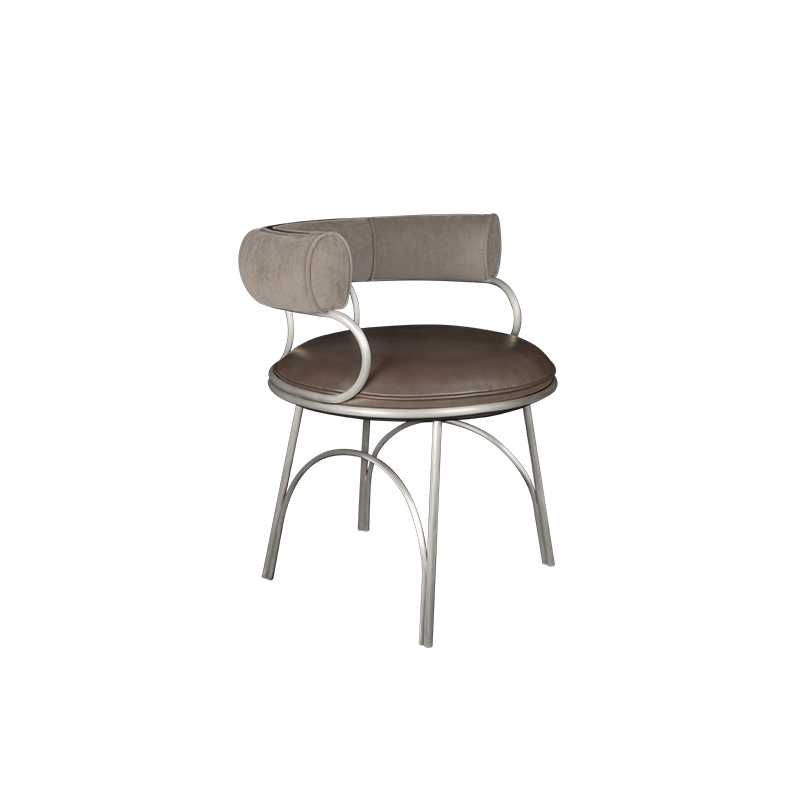
Side chairs are a practical, space-saving option for restaurants focused on capacity and flexibility. They’re characterised by their smaller footprint and lack of armrests. They are:
• Side chairs are lightweight and versatile.
• Ideal for tight layouts
• Generally more affordable
Loose seating like restaurant chairs or stools, provides more flexibility to accommodate different party sizes and rearrange the space as needed. While it may take up more floor space, it allows designers to add more creative flair to the restaurant.
• Flexibility to rearrange layouts.
• Easier replacement and cleaning.
• You can mix different Styles in your space
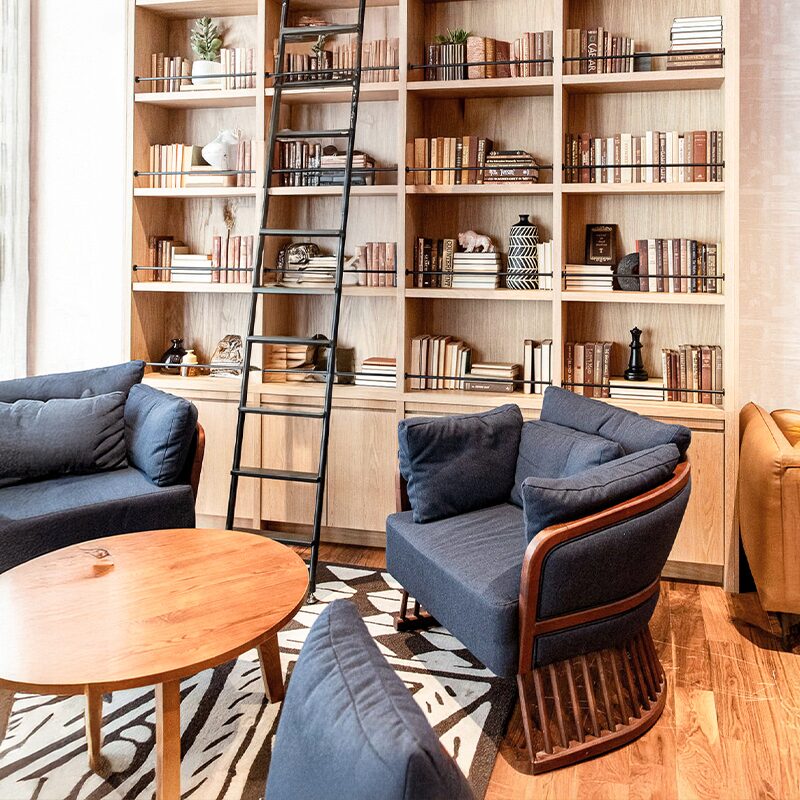
Use side chairs to maximise covers, and armchairs to elevate comfort and style in key zones.

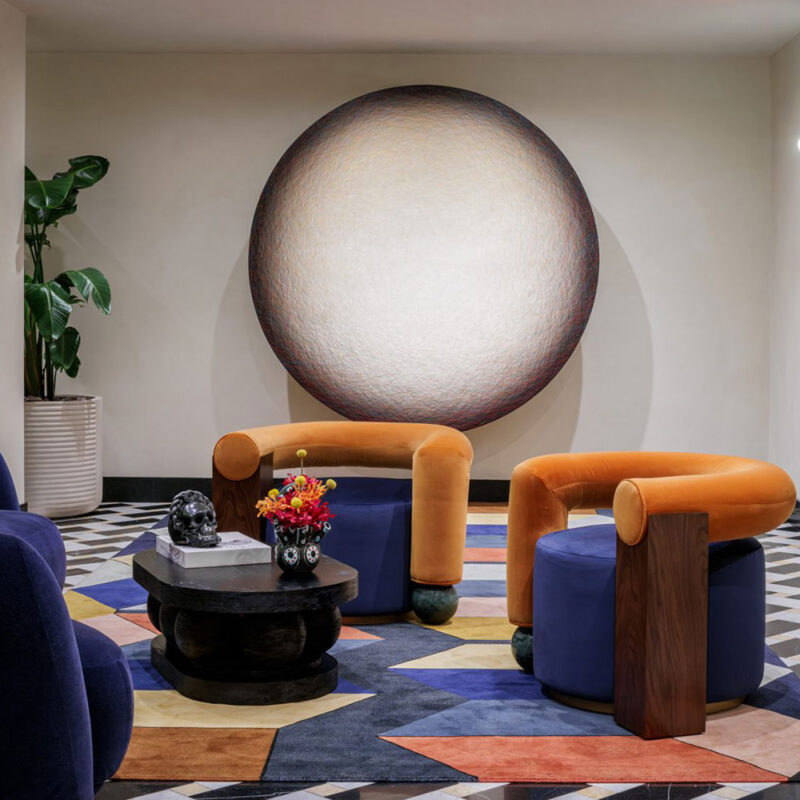
Upholstered vs. Unupholstered Restaurant Chairs
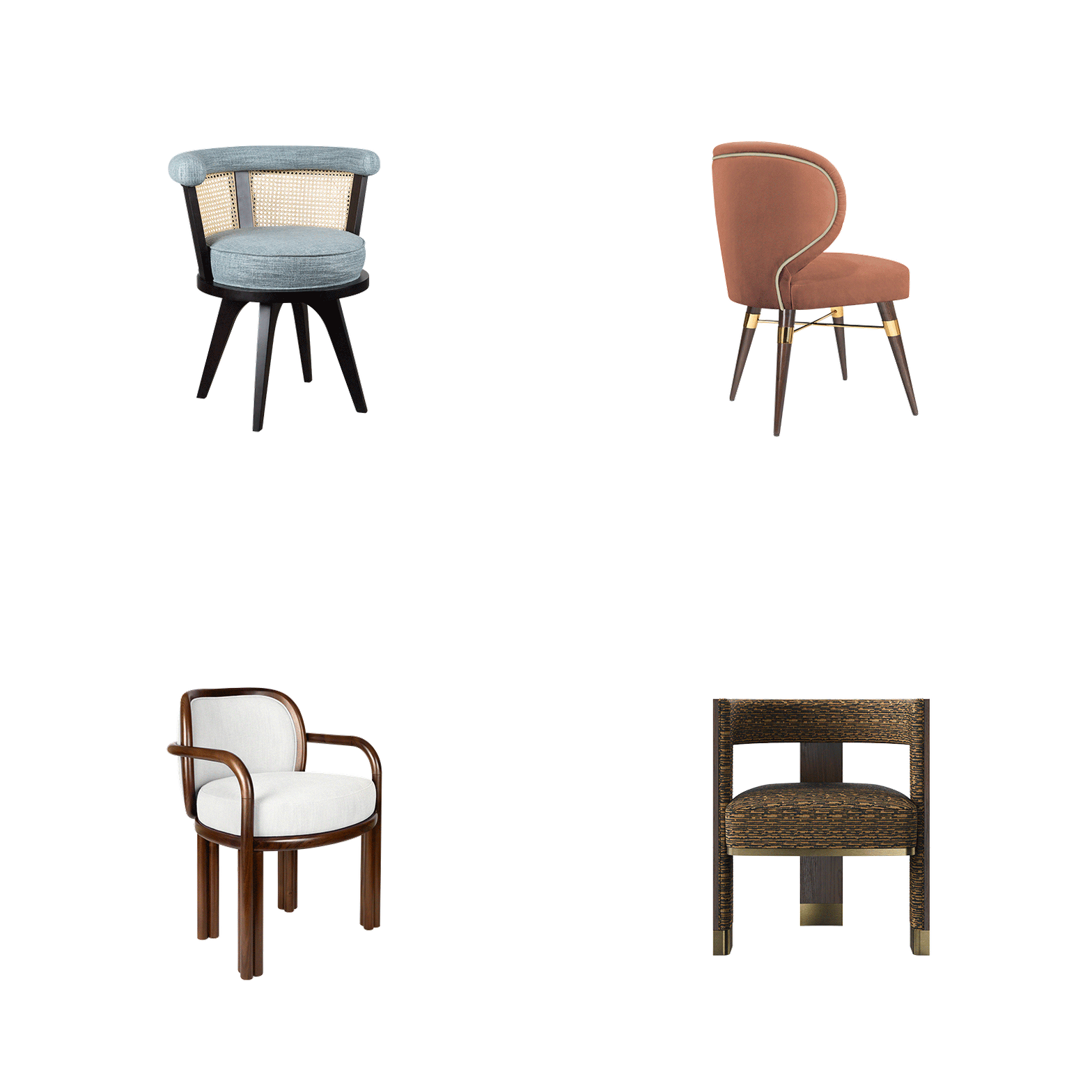
Upholstered chairs offer comfort and luxury and are a great way to tie together visual elements in your restaurant, but require careful material selection to maintain appearance under heavy use. You will need to consider the durability (rub count), stain and liquid resistance, and ease of maintenance. Upholstered chairs help to soften acoustics, especially in large spaces.
Unupholstered chairs are easier to clean and generally more durable and easy to maintain, but will be less comfortable, and may need seat pads for comfort.
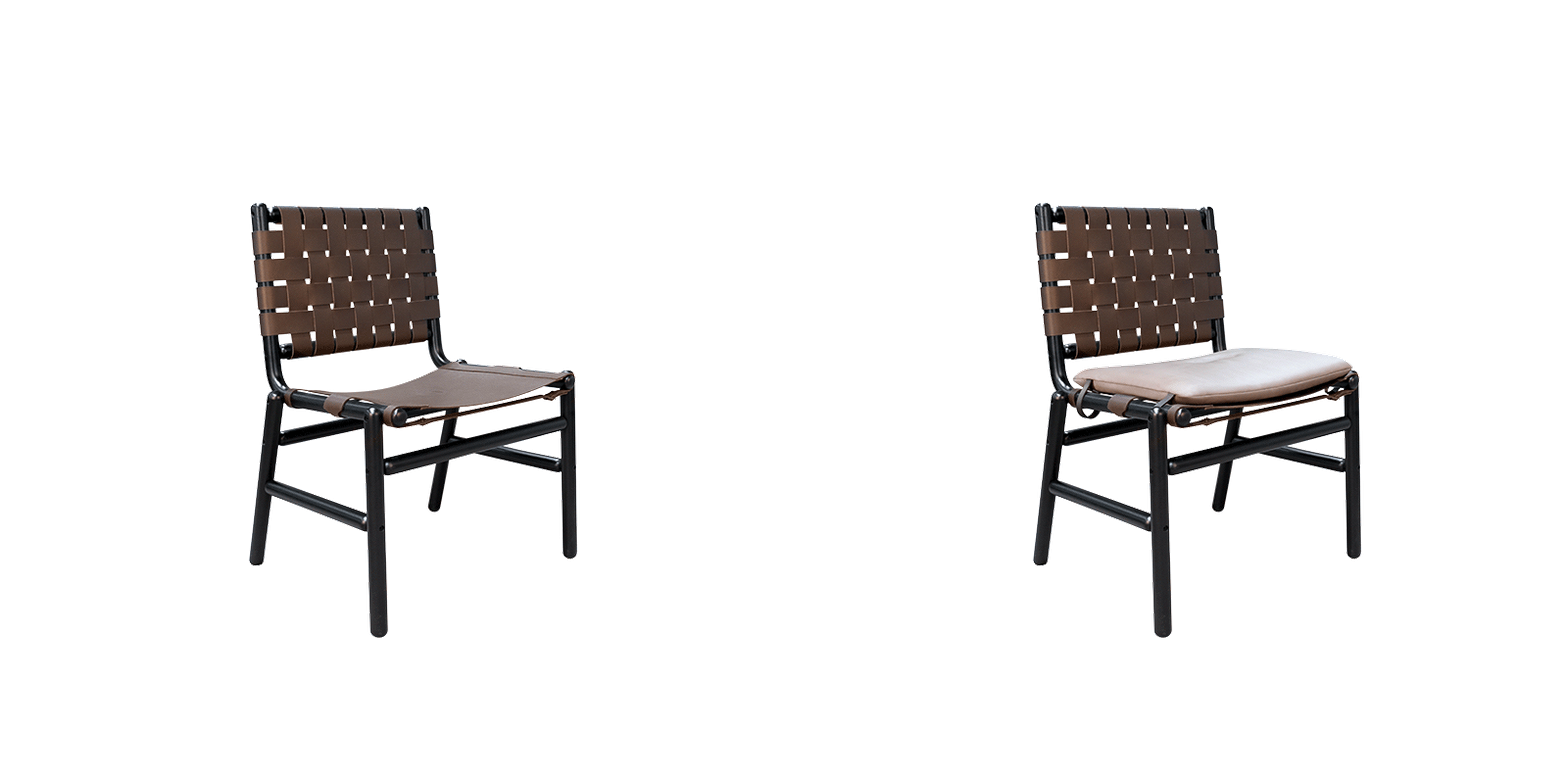
Pro Tip: Upholstered dining chairs add comfort and elegance.
Do you need barstools?
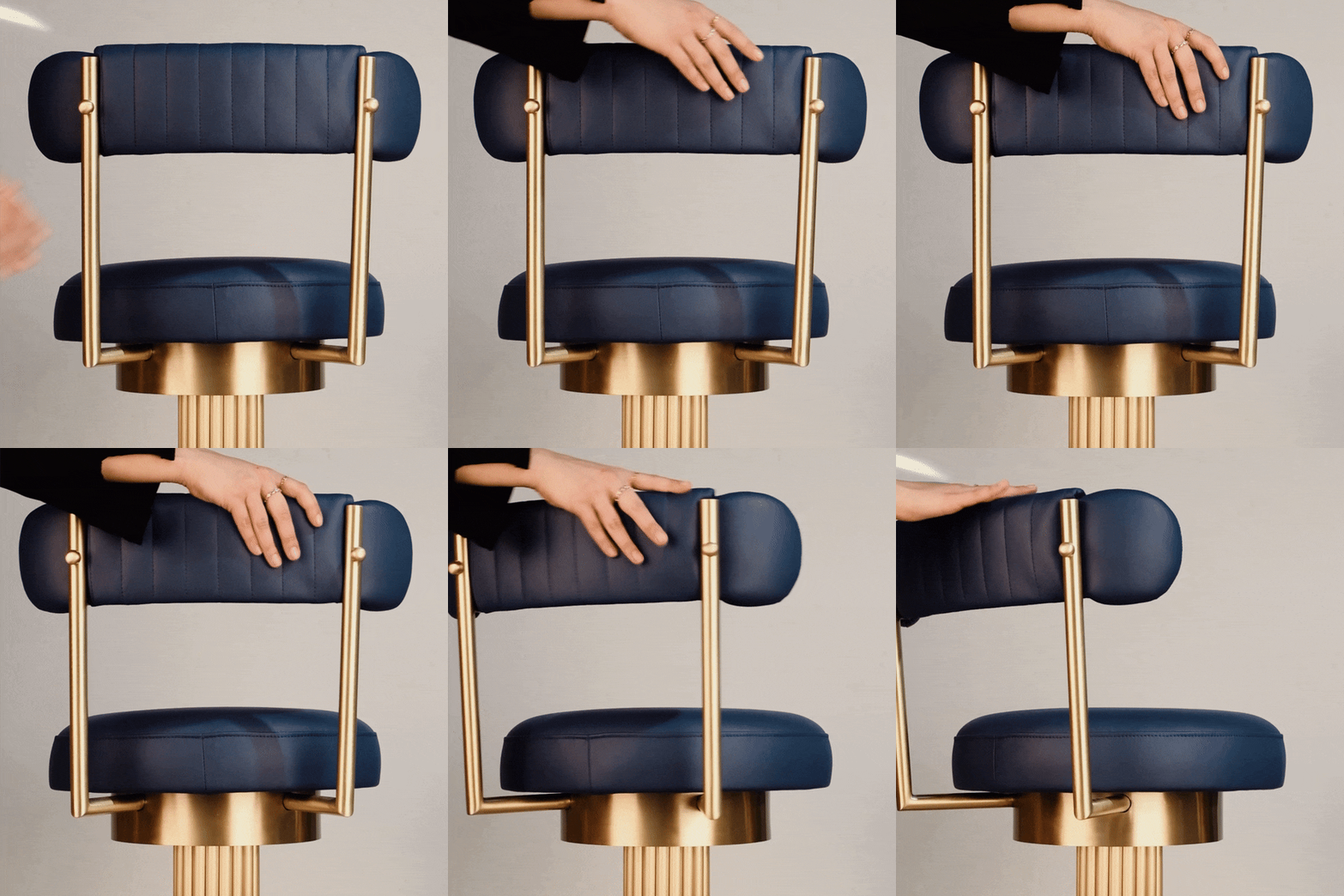
Bar stools are an excellent way to add more seating into smaller areas, especially along a bar or high counter, without the footprint of full dining tables. Restaurant barstools are an excellent way to enhance bar areas for guests having pre- or post-dinner drinks, to create communal dining areas at high tables, or to encourage a shorter dwell time.
• Ideal for bar or counter-height dining.
• Allows for increased seating capacity without adding more tables and chairs.
• Creates a social atmosphere, inviting a more lively setting.
• An opportunity to add a different visual quality and different layers to your restaurant seating.
• Restaurant barstools can encourage a shorter dwell time and higher turnover.
• Barstools should be paired with high tables
Balance comfort, durability, and space efficiency.
Choosing the Right Table Size
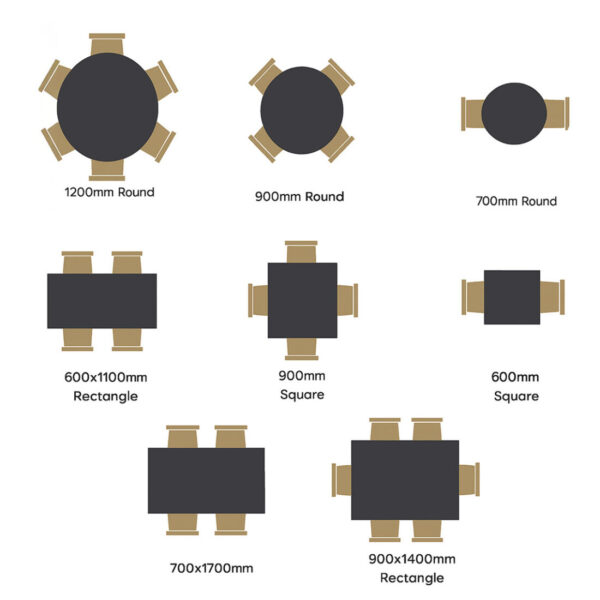
Selecting the right table shape and size is just as important as choosing chairs. It directly impacts seating capacity, flow, and the overall dining experience.
• Round tables encourage conversation and are ideal for social dining, though they use more floor space.
• Square tables maximize capacity in compact layouts and can be easily grouped together.
• Rectangular tables provide flexibility for larger groups and efficient alignment in linear spaces.
Balance comfort, durability, and space efficiency.
Tip: Always balance table size with adequate circulation space so guests and staff can move comfortably.
Matching Chair & Table Heights
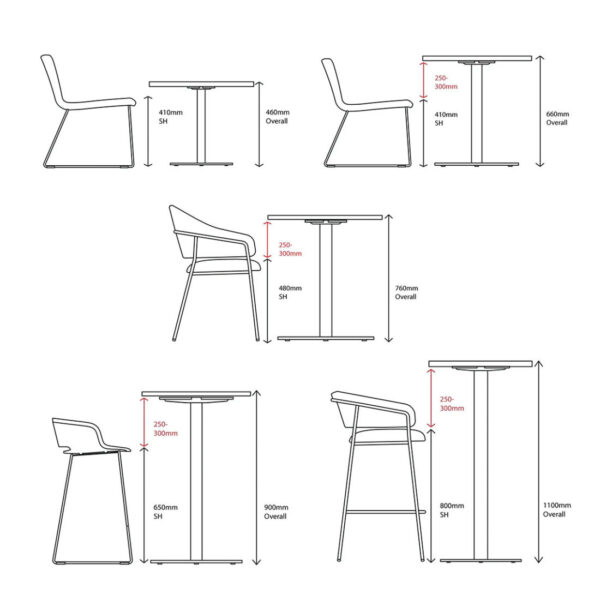
Comfort depends on the right relationship between seat height and table height. A poor match can make even the most beautiful chair uncomfortable.
• Dining height: 460–760mm tables pair with seats at 410–480mm.
• Counter height: 900mm tables work best with stools at around 650mm seat height.
• Bar height: 1100mm tables require stools with 750–800mm seat height.
Tip: Allow a gap of 250–300mm between the seat and table top for optimal comfort.
Get Ebook


emotional brands
discover our brands


